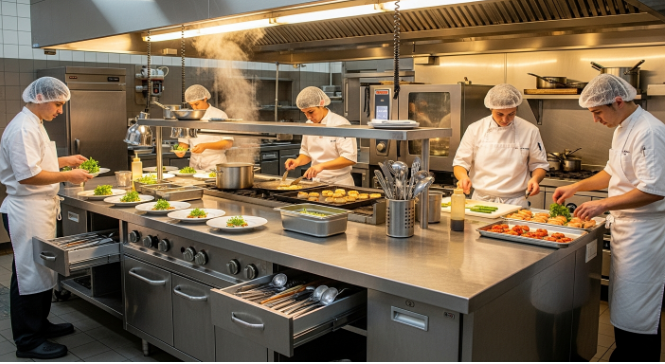
A bustling restaurant kitchen, a satisfied diner, perfect plates — that’s the ideal picture, isn’t it? But beneath that polished surface, unseen dangers lurk. I mean, it’s not just about what you see on the menu. Those dangers? They can dismantle a business, sicken customers, and permanently damage a reputation faster than you’d believe. It’s not just about passing health inspections anymore; it’s about earning and keeping trust. Because when foodborne illness hits, everyone remembers where they ate. And that memory, sadly, often sticks for good. It’s a perception battle as much as a hygiene one.
Beyond the Basics: Why Food Safety is Your Restaurant’s Backbone
Look, we all know the rules: wash your hands, cook meat properly, keep things cold. Right? But in 2026, simply knowing those rules isn’t enough. Strict adherence, every single shift, is non-negotiable. One slip-up. One overlooked detail. Or just one tired staff member cutting corners — and the consequences can be devastating. We’re talking more than just fines or a bad review here.
An outbreak means closed doors, legal battles, and a public relations nightmare that can take years, if ever, to recover from. Your local health department isn’t just being difficult when they show up; they’re trying to prevent something truly awful from happening, something I’ve seen play out in headlines too many times.
Turns out, a single foodborne illness outbreak can cost a restaurant anywhere from $6,330 to $2.6 million, depending on the scale and how many people get sick. That’s according to a recent study from the Centers for Disease Control and Prevention (CDC). And the costs aren’t always tangible; there’s the lost business, the emotional toll on employees, and the sheer impossibility of rebuilding public confidence once it’s shattered. It’s a heavy price to pay for what often comes down to a preventable mistake. It really makes you wonder why some places still take shortcuts.
The Power of Informed Staff: Training and Certification
So, how do you fight these invisible threats? Education, plain and simple. Your staff are your first line of defense, and if they don’t know the risks, or aren’t drilled on the correct procedures, you’ve pretty much already lost the battle. This isn’t just about showing a video once a year. It’s about ongoing, practical training that sticks, the kind that makes safe habits second nature.
Many states and counties require managers, and sometimes even all food handlers, to be certified in food safety. That’s where programs like ServSafe come in. Getting ready for that exam? A solid ServSafe Practice Test can make all the difference in understanding the material and feeling confident on test day. I’ve found that practice tests really help solidify the knowledge, beyond just memorizing facts.
But the certification itself is just the starting point, not the finish line. True food safety culture comes from consistent reinforcement, clear communication, and making sure everyone on the team understands *why* these practices matter so much. You can find more specific details on the requirements and types of certifications available through the official ServSafe information site, which outlines everything from manager certification to allergen awareness. Thing is, a well-trained team doesn’t just pass inspections; they actively prevent problems, which is the real goal here.
What’s New in 2026: Emerging Trends in Food Safety
Food safety isn’t some static set of rules; it’s always evolving. We’ve certainly learned a lot about pathogen transmission in recent years, haven’t we? So what’s trending now? For one, supply chain transparency is a much bigger deal. Consumers want to know where their food comes from, how it was handled, and who touched it. Restaurants are facing more pressure to track ingredients from farm to fork, which, not gonna lie, is a huge logistical challenge. I’ve noticed this particularly with specialty ingredients.
Then there’s the tech angle. IoT sensors are becoming more common, automatically monitoring fridge temperatures, cooking times, and even air quality in kitchens. This kind of automated oversight minimizes human error — something we can all agree is a good thing. It’s a smart way to get consistent data without constant manual checks.
Allergen management has also tightened up dramatically. With more people facing severe food allergies, clear labeling, separate prep areas, and dedicated training for staff on cross-contact prevention are no longer optional extras; they’re absolute must-haves. Look, the public expects a lot. And frankly, they should. I think this shift is a net positive for everyone.
Keeping Ahead of the Curve
Ultimately, the restaurant industry is about hospitality. It’s about providing unforgettable experiences, wonderful food, and a welcoming environment. However, none of this matters if the food itself is unsafe. The risks are too high, the stakes too profound for complacency. I’ve always believed this should be the absolute top priority.
It’s a continuous commitment, demanding vigilance from every single person who steps foot into your kitchen or serves a dish. Because in this business, true success isn’t just about what tastes good. It’s about what keeps people healthy and coming back, confidently.