Pairing food with the right beverage can turn an ordinary meal into a more enjoyable experience. The right combination brings out subtle flavors, balances richness, and creates a smoother overall taste. You do not need to be a professional chef or sommelier to understand the basics. With a few simple principles, anyone can learn how to create thoughtful food and beverage pairings.
Whether you are planning a dinner, celebrating a special occasion, or choosing a thoughtful edible gift, understanding how flavors work together can help you make better choices. This beginner-friendly guide explains the fundamentals of pairing food and beverages and offers practical combinations you can try at home.
Why Food and Beverage Pairing Matters
Food and beverages affect how we experience flavor. A beverage can refresh the palate, soften a rich dish, complement a particular ingredient, or provide a pleasant contrast.
For example, a crisp beverage can balance a creamy pasta dish, while a fuller-bodied drink may work better with grilled meats. Similarly, sweet beverages can complement desserts, particularly when their sweetness is equal to or slightly greater than the sweetness of the food.
The goal is not to follow strict rules. Instead, think about balance. Consider whether the food is rich, spicy, salty, sweet, acidic, light, or hearty, and then look for a beverage that either complements or contrasts those characteristics.
Start With the Main Flavor of the Dish
When creating a pairing, begin by identifying the dominant flavor of the food. If a dish contains a strong ingredient such as blue cheese, spicy peppers, smoked meat, or dark chocolate, that ingredient will often influence the beverage choice more than the other components.
For lighter dishes, choose beverages that will not overpower delicate flavors. Seafood, fresh salads, and lightly seasoned vegetables often work well with crisp and refreshing beverages.
Rich foods can handle beverages with more body and intensity. Grilled steak, roasted meats, creamy sauces, and hearty dishes generally pair better with fuller-flavored options.
Match Intensity for a Balanced Pairing
One of the easiest rules for beginners is to match the intensity of the food and beverage.
A delicate dish paired with a very bold beverage can cause the food’s flavors to disappear. On the other hand, a powerful dish can overwhelm a light beverage.
Think of the pairing as a conversation between two flavors. Neither should completely dominate the other.
For example, a light seafood dish may pair nicely with a refreshing white wine, while a rich beef dish may call for a more robust red wine. The same principle applies to non-alcoholic beverages, coffee, tea, sparkling drinks, and juices.
Consider Complementary and Contrasting Flavors
There are two main approaches to successful pairing: complementing flavors and creating contrast.
Complementary pairings bring similar characteristics together. A fruity beverage with a fruit-based dessert is a simple example. Sweet flavors, creamy textures, or fruity notes can reinforce one another.
Contrasting pairings work differently. A crisp, acidic beverage can cut through the richness of a creamy dish, creating a cleaner finish after every bite. Likewise, a slightly sweet beverage can help balance spicy food.
Experimenting with both approaches is one of the best ways to discover combinations that suit your personal taste.
Pairing Beverages With Popular Foods
Seafood and Light Dishes
Seafood generally benefits from beverages that are refreshing and not overly heavy. Grilled fish, shrimp, oysters, and lighter seafood dishes can work well with crisp white wines or sparkling beverages.
For dishes prepared with lemon, herbs, or fresh vegetables, consider beverages with bright acidity and refreshing flavors.
Pasta and Creamy Dishes
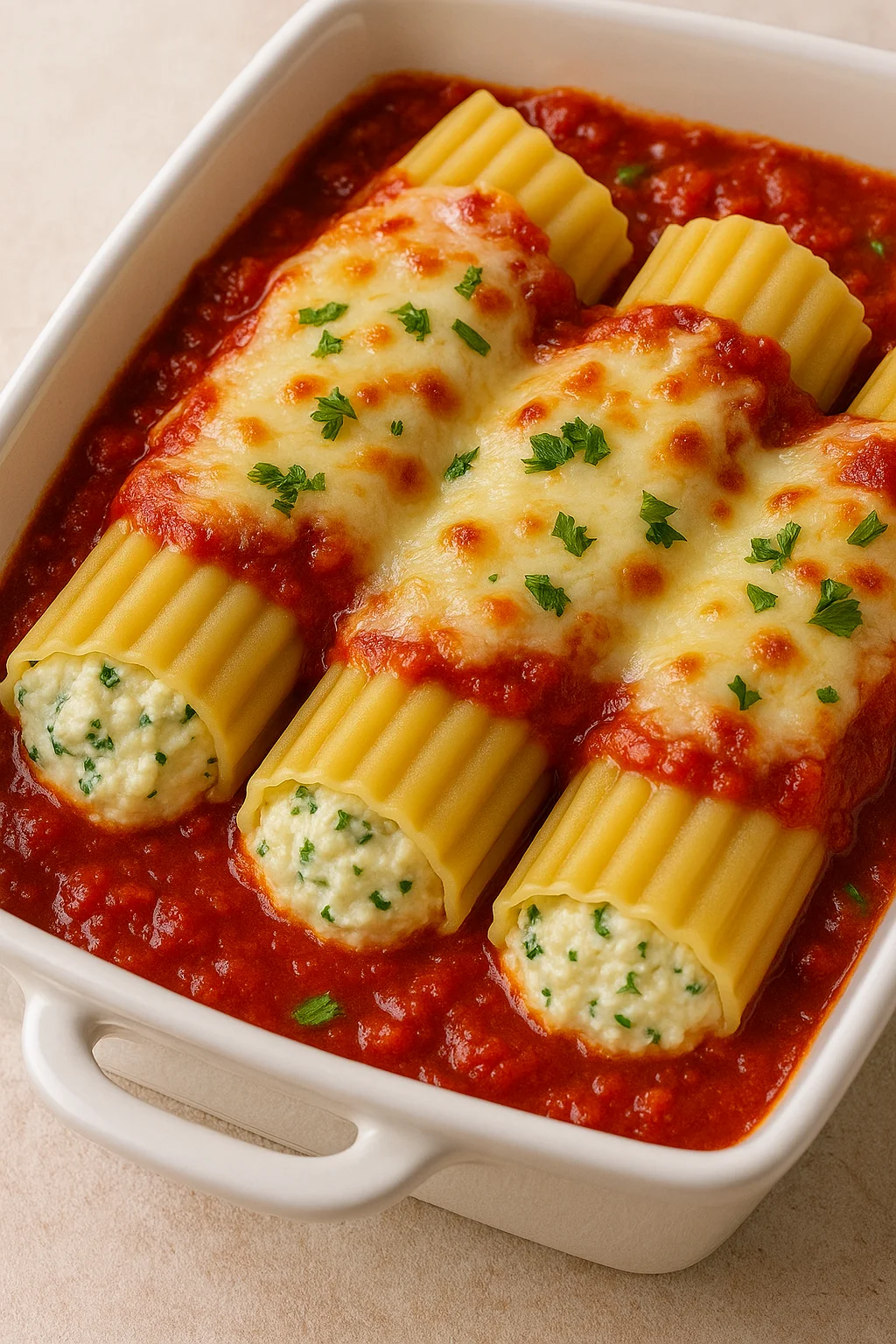
Creamy pasta dishes often benefit from beverages that provide acidity and freshness. The acidity can help balance the richness of cream-based sauces while keeping the palate refreshed.
For tomato-based pasta, consider beverages that can stand up to the sauce’s acidity without overwhelming its herbs and spices.
Grilled and Roasted Meats
Grilled meats often have smoky, savory, and sometimes slightly charred flavors. Fuller-bodied beverages can complement these characteristics particularly well.
Roasted poultry, pork, steak, and barbecue-style dishes can each support different pairings depending on the seasoning and sauce. Pay attention to the preparation rather than focusing only on the type of meat.
Spicy Foods
Spicy dishes can be challenging to pair because strong alcohol or overly bold flavors may make the heat feel more intense. A slightly sweet, fruity, or refreshing beverage can provide a pleasant counterbalance.
For spicy Asian dishes, Mexican food, or hot curries, look for beverages that refresh the palate and complement the dish’s aromatic ingredients.
Creating Sweet Pairings With Desserts
Desserts offer plenty of opportunities to experiment with beverage pairings. Chocolate, fruit, caramel, vanilla, nuts, and cream each have different flavor profiles.
Dark chocolate generally works well with rich, fruity, or full-bodied beverages, while milk chocolate can pair nicely with smoother and sweeter options. Fruit desserts often benefit from refreshing beverages that echo their natural acidity.
If you are selecting a gift for someone who enjoys both wine and sweets, wine and chocolate gift baskets can be an appealing choice. These combinations bring together complementary flavors in a ready-to-enjoy presentation, making them suitable for birthdays, anniversaries, holidays, thank-you gifts, and other special occasions. When choosing one, consider the recipient’s preferred wine style and whether they enjoy dark, milk, or assorted chocolate.
Exploring Cheese and Beverage Pairings
Cheese is another versatile food for pairing because different varieties range from mild and creamy to sharp, salty, and intensely flavored.
Soft cheeses such as Brie and Camembert can work well with lighter, fruit-forward beverages. Harder cheeses may pair nicely with beverages that have greater body and complexity. Strong blue cheeses can benefit from sweet or fruit-driven combinations that balance their salty character.
For someone who enjoys entertaining or appreciates classic gourmet combinations, wine and cheese gift baskets can be a practical choice. These gift combinations typically bring together complementary cheese varieties and wines, making them suitable for celebrations, housewarming occasions, anniversaries, corporate gifting, and casual gatherings. Choosing a basket with a mix of flavors can also give the recipient an opportunity to explore different pairing combinations.
Don’t Forget Texture
Flavor is only one part of a successful pairing. Texture also influences how food and beverages work together.
Creamy foods can benefit from beverages that provide acidity or effervescence. Crispy foods may pair nicely with refreshing beverages that cleanse the palate. Rich and fatty foods can often benefit from drinks that have enough acidity to prevent the combination from feeling too heavy.
Thinking about texture makes pairing more intuitive and can help you create combinations that feel balanced from the first bite to the last.
Think About the Occasion
The best pairing is not always the most sophisticated one. Consider where and when the food will be served.
A casual lunch may call for a simple and refreshing combination, while a formal dinner might inspire a more structured pairing with several courses. For celebrations and gifting, combinations such as chocolate, cheese, fruit, nuts, and specialty beverages can create a more complete experience.
If you are purchasing a food and beverage gift, also consider presentation, variety, serving preferences, and the recipient’s tastes.
Experiment and Trust Your Taste
Pairing guidelines are useful, but personal preference matters most. There is no single combination that everyone will enjoy.
Try changing one element at a time. Pair the same dish with two different beverages and compare the results. Notice which combination makes the food taste brighter, smoother, richer, or more balanced.
Keep notes about combinations you enjoy, especially when entertaining guests. Over time, you will develop a better understanding of which flavors naturally work together.
Final Thoughts
Creating successful food and beverage pairings becomes much easier once you understand a few basic principles. Start with the main flavor of the dish, consider intensity and texture, and decide whether you want complementary or contrasting flavors. From seafood and pasta to chocolate and cheese, there are countless combinations worth exploring.
Most importantly, pairing should be enjoyable rather than complicated. Experiment with different flavors, consider the occasion, and keep your personal preferences in mind. With practice, you can confidently create combinations that make meals, celebrations, and thoughtful gifts even more memorable.