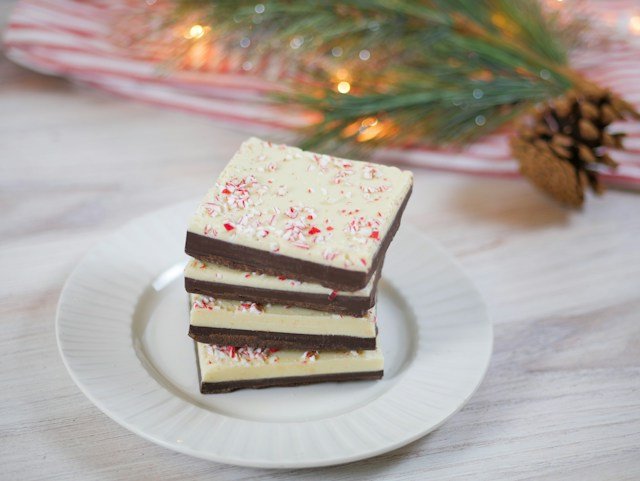
The Chocolate Ratio Mistake That Ruins Holiday Trays Every Year
A disappointing batch of peppermint bark can quietly derail an entire holiday spread, especially when it’s the centerpiece of a gift box or dessert table that guests have been anticipating for weeks. When the layers separate, the chocolate blooms into a chalky gray film, or the peppermint pieces turn into sawdust on the tongue, the whole effort feels wasted. People tend to assume the fix is simply buying better chocolate, but that’s only part of the story.
Most home cooks believe that peppermint bark is just a matter of melting chocolate and tossing crushed candy canes on top before it sets. That assumption is where things usually go wrong. The ratio between dark and white chocolate layers matters far more than most recipes let on, and so does the temperature at which each layer is poured. Skipping the tempering step, even for something as seemingly casual as a bark, is the single biggest reason batches turn dull or develop an unpleasant waxy texture after a day or two in the pantry.
There’s also a common misconception that any crushed peppermint candy will do. Candy canes vary wildly in oil content and sugar density, and some brands leave behind a gritty residue that undermines the clean snap people expect from a well-made bark. The texture problem isn’t cosmetic either; it affects how the peppermint flavor disperses across each bite, which is often why homemade versions taste inconsistent from one piece to the next.
The Layering Technique Professional Confectioners Actually Rely On
Professional chocolatiers treat peppermint bark less like a quick holiday craft and more like a structured dessert with its own engineering logic. The dark chocolate base needs to be tempered and cooled to a specific point before the white chocolate layer goes on, otherwise the two layers slide apart the moment the bark is cut. This is the step most home recipes gloss over, and it’s the reason bakery-style bark holds its shape while homemade versions crack unevenly.
Flavor balance is the other piece people underestimate. The peppermint oil needs to be mixed into the white chocolate rather than sprinkled on top as crushed candy alone, since this is what gives each bite a consistent minty finish instead of random hot spots of flavor. It’s the same principle behind why something like best peppermint bark tastes evenly minty in every piece rather than concentrated in a few random bites; the flavor is built into the chocolate itself, not scattered across the surface as an afterthought. That distinction is subtle but it’s the difference between bark that tastes crafted and bark that tastes assembled.
There’s an interesting parallel here to how organizations think about consistency at scale. Deloitte workplace insights has pointed out that small, repeatable process improvements tend to outperform occasional bursts of effort when it comes to sustaining quality over time, and the same logic applies surprisingly well to candy making. A kitchen that standardizes its tempering temperature and ratio every single time produces more reliable results than one that eyeballs it during a rushed holiday weekend. Consistency, in both contexts, comes from process discipline rather than talent or luck.
Storing and Serving Bark So It Doesn’t Lose Its Snap
Once the bark is made correctly, storage becomes the next place batches tend to fall apart. Peppermint bark is sensitive to both humidity and temperature swings, which means leaving it near a warm oven or a drafty window can undo hours of careful tempering within a single afternoon. The ideal environment is cool, dry, and consistent, closer to a wine cellar than a kitchen counter.
Cutting technique matters more than people expect as well. Bark that’s sliced while still slightly too cold tends to shatter unevenly, leaving jagged edges that melt faster in the hand and lose their visual appeal on a serving tray. Letting it sit at room temperature for a few minutes before cutting, then using a sharp knife in a single controlled motion, produces the clean rectangular pieces that make bark look intentional rather than homemade in a rushed sense.
Gifting and serving also benefit from some planning around timing. Bark made more than a week in advance can start to lose its sharp peppermint aroma, even if the texture holds up, so timing the batch closer to when it will actually be eaten preserves more of the flavor people associate with a well-made version. For anyone hosting a gathering or assembling gift boxes, treating the bark as a final-week task rather than an early preparation item tends to produce a noticeably better result on the table.