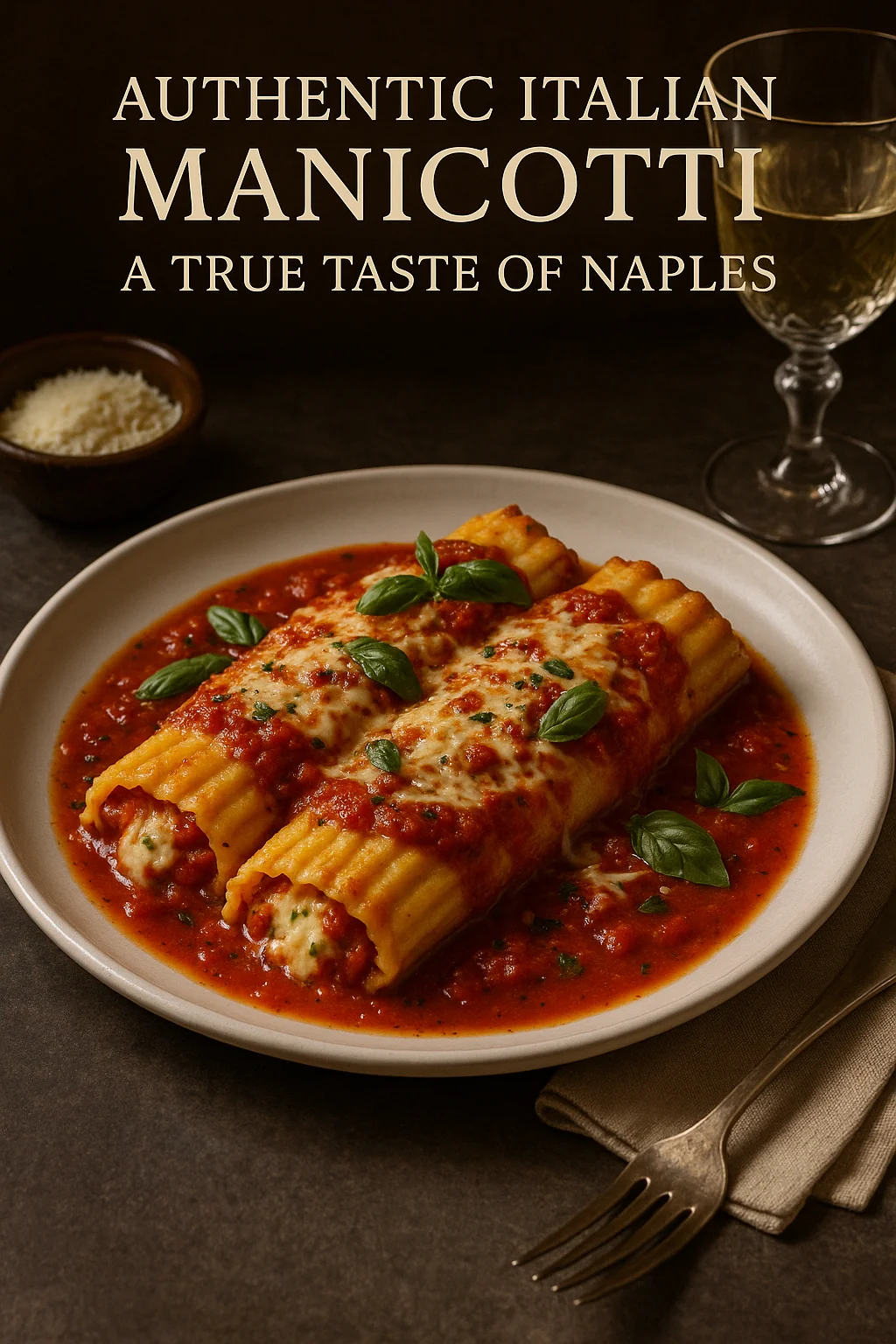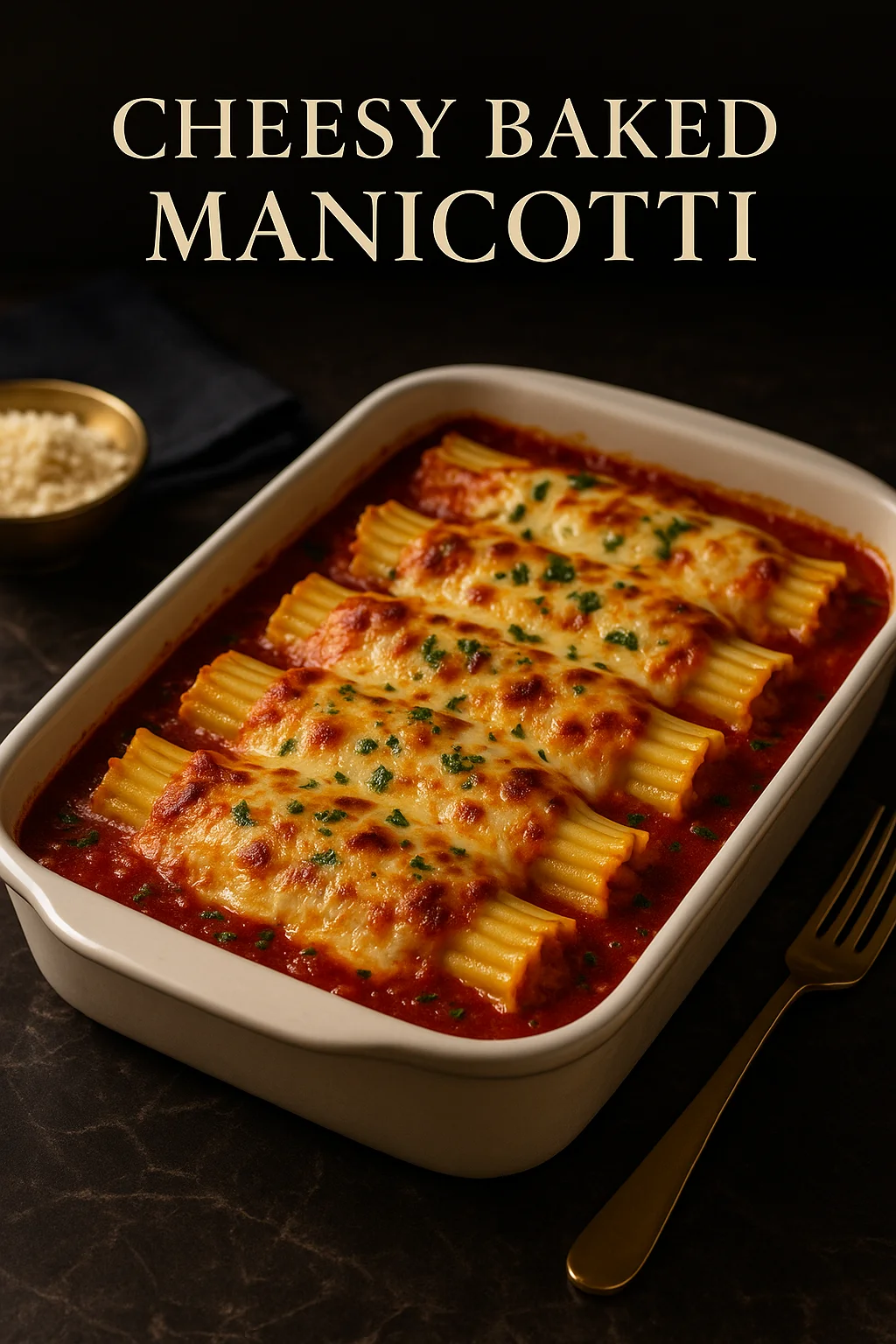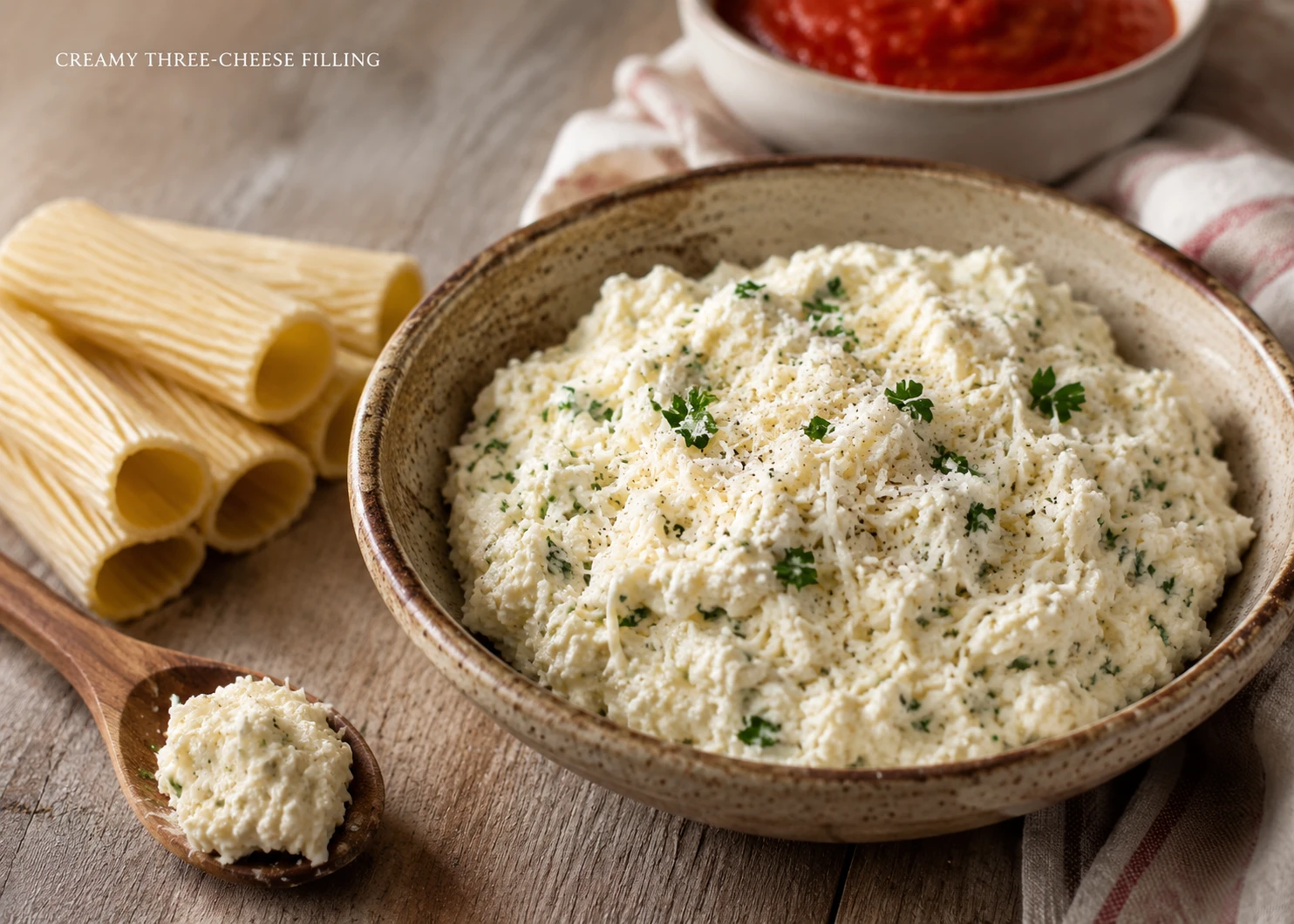
A good manicotti filling recipe should be creamy enough to pipe, firm enough to stay inside the pasta, and well seasoned without overpowering the tomato sauce. Ricotta provides the soft base, mozzarella brings melt, Parmesan gives savoury depth, and one egg helps the filling set as the manicotti bakes.
This recipe makes enough filling for 12 to 14 dried manicotti shells and serves 6. It is a classic cheese filling, so it works well with marinara and leaves room for a salad, vegetables, or bread alongside the meal.
Ingredients
For the filling
- 30 ounces whole-milk ricotta, drained if it looks loose
- 1 1/2 cups low-moisture mozzarella, freshly shredded
- 3/4 cup finely grated Parmesan, plus more for the top
- 1 large egg
- 1/3 cup finely chopped flat-leaf parsley
- 1 small garlic clove, finely grated or minced
- 3/4 teaspoon kosher salt
- 1/2 teaspoon freshly ground black pepper
- 1/8 teaspoon freshly grated nutmeg, optional
To assemble and bake
- 12 to 14 manicotti shells
- 4 cups marinara sauce
- 1 cup low-moisture mozzarella, freshly shredded
- 2 tablespoons finely grated Parmesan
Start With Ricotta That Is Not Watery
Ricotta varies considerably by brand. A thick, whole-milk ricotta makes a filling that is smooth and easy to handle. If liquid has collected in the tub, tip the ricotta into a fine sieve set over a bowl and refrigerate it for 30 to 60 minutes before mixing. Do not press it hard; allowing excess whey to drain is enough.
This small step matters because manicotti cooks a second time in the oven. A wet filling can thin the marinara, make the pasta slide apart, and leave pockets of liquid in the dish.
Make the Manicotti Filling
- Put the drained ricotta, mozzarella, Parmesan, egg, parsley, garlic, salt, pepper, and nutmeg in a large bowl.
- Fold with a spatula until the mixture is evenly combined. Avoid vigorous beating, which can loosen the ricotta and make the filling harder to control.
- Taste a small amount only before adding the egg, if preferred, then adjust the salt and pepper. Parmesan and marinara both add salt, so season with a light hand.
- Cover and refrigerate for 15 to 20 minutes while the shells cook. The short rest lets the cheeses hydrate and makes piping tidier.
The finished filling should hold a soft mound on a spoon. If it seems dry or crumbly, fold in one tablespoon of ricotta at a time. If it seems loose, refrigerate it longer; adding extra cheese can make the filling heavy and salty.
Prepare the Shells Without Tearing Them
- Bring a large pot of generously salted water to a boil.
- Cook the manicotti about 2 minutes less than the package’s al dente time. The shells should bend without collapsing and should still feel firm in the centre.
- Drain carefully, then spread the shells in a single layer on a lightly oiled baking sheet or clean kitchen towel. Let them cool until comfortable to handle.
Undercooking is intentional. The shells finish softening beneath the sauce, while fully cooked pasta can split during filling or turn too tender after baking. For a homemade pasta alternative, see how to make homemade manicotti pasta shells from scratch.
Fill and Bake the Manicotti
- Heat the oven to 375°F.
- Spread 1 1/2 cups marinara evenly over the base of a 9-by-13-inch baking dish. The sauce prevents the shells from sticking and supplies moisture as they finish cooking.
- Transfer the filling to a piping bag fitted with a wide plain tip, or use a sturdy zip-top bag with one corner snipped off. A narrow spoon also works, but piping is gentler on the pasta.
- Fill each shell from both ends, stopping just short of the edges. This gives an even centre without forcing filling out as the pasta expands.
- Arrange the manicotti seam-side down in one layer. Spoon the remaining marinara over and around the shells, leaving a little of the ridges visible rather than burying them in sauce.
- Sprinkle with the remaining mozzarella and Parmesan.
- Cover the dish tightly with foil and bake for 25 minutes. Uncover and bake for 10 to 15 minutes more, until the sauce bubbles around the edges, the cheese has melted, and the centre is hot.
- Rest for 10 minutes before serving. The filling settles during this time, making the manicotti easier to lift from the dish.
Why This Filling Holds Its Shape
The egg is not there to make the filling dense. It gently binds the ricotta and melted cheese as the dish bakes, helping the portion stay inside the shell. Low-moisture mozzarella is equally useful: fresh mozzarella releases more water and is better reserved for dishes where that moisture can cook off.
Finely grated Parmesan distributes through the ricotta more evenly than large shreds. Parsley adds freshness, while a small amount of garlic and optional nutmeg season the filling without competing with a bright tomato sauce.
Easy Variations That Keep the Same Texture
Spinach and ricotta filling
Fold in 10 ounces frozen chopped spinach, thawed and squeezed very dry, or about 8 ounces cooked fresh spinach, cooled and chopped. Squeeze it in a clean towel until no more liquid runs out. Spinach belongs in the filling only when it is properly dried; otherwise it dilutes the cheese mixture. A fuller version is available in this spinach and ricotta manicotti recipe.
Sausage filling
Brown 8 ounces mild Italian sausage, drain away the fat, and cool it completely before folding it into the cheese filling. Use a little less salt, since sausage and Parmesan are both seasoned. A meat filling is especially good with a robust marinara, but it should never be added warm, as heat can loosen the ricotta and begin to cook the egg.
Herb-forward filling
Replace half the parsley with finely sliced basil. Add the basil just before filling the shells so its flavour stays fresh. Avoid dried basil in large quantities here; it can taste dusty beside the mild ricotta.
Make-Ahead and Freezing Instructions
The cheese mixture can be made one day ahead and kept covered in the refrigerator. Cook and cool the shells separately, then fill and assemble shortly before baking for the best pasta texture.
To prepare the whole dish ahead, assemble it through the cheese topping, cover tightly, and refrigerate for up to 24 hours. Bake directly from the refrigerator, allowing an extra 5 to 10 minutes under the foil if the dish is cold.
For freezing, assemble the manicotti in a freezer-safe dish, cover with a layer of parchment or plastic wrap followed by foil, and freeze for up to 2 months. Bake from frozen at 375°F, covered, until the centre is hot and the sauce bubbles; this generally takes 50 to 65 minutes. Uncover for the final 10 to 15 minutes to melt and brown the cheese.
Common Problems and Reliable Fixes
The filling leaks out
The shells were likely overfilled, split while cooking, or arranged too tightly. Fill from both ends but leave a small gap at each end, and cook a few extra shells in case one tears. A piping bag applies less pressure than packing the pasta with a spoon.
The filling is runny
Loose ricotta or undried spinach is usually responsible. Drain the ricotta before mixing and squeeze cooked greens thoroughly. Refrigerating the mixture briefly also makes it noticeably firmer.
The manicotti is dry
There may not have been enough sauce around the shells, or the dish may have baked uncovered too long. Keep the dish covered for the first part of baking and use enough marinara to coat both the bottom and top of the pasta.
The shells break while filling
They may be overcooked or still too hot to handle. Cook them just shy of al dente, cool them in a single layer, and fill gently. More shell-handling fixes are covered in common mistakes to avoid when making manicotti.
Frequently Asked Questions
Can cottage cheese replace ricotta?
Yes, but drain it first and blend or process it briefly if a smoother filling is preferred. Cottage cheese has a looser curd and a tangier flavour, so it will not taste exactly the same as ricotta.
Can the filling be made without an egg?
Yes. Leave it out and refrigerate the mixture for at least 30 minutes before filling. The result will be softer, so use well-drained ricotta and let the baked dish rest before serving.
How much filling goes in each shell?
About 1/3 cup per shell is usually right for standard dried manicotti. The exact amount depends on the shell size; fill until the centre is even and the ends are not bulging.
Should manicotti be baked covered?
Yes, for the first part of baking. The foil traps steam, keeps the sauce from reducing too quickly, and helps the pasta finish cooking. Removing it near the end allows the cheese to brown lightly.
Final Thoughts
This manicotti filling recipe relies on a simple balance: drained ricotta for creaminess, mozzarella for a supple melt, Parmesan for depth, and just enough egg to set the mixture. Fill the shells gently, keep them surrounded by sauce, and give the baked dish a short rest. The result is tender pasta with a creamy centre that stays neatly in place.