Artificial intelligence is changing the way people create digital content. In the past, making a unique image or animated video often required design skills, expensive software, and many hours of work. Today, AI tools can make these creative tasks much easier. With the right tool, a simple idea, text prompt, or photo can become something completely new in just a few steps.
Among the growing number of AI-powered creative tools available online, Vidnoz offers useful options for people who want to experiment with images and animation without dealing with complicated editing software. In this review, I will take a closer look at two tools: the AI dance generator and the AI image generator.
Both tools focus on making visual creation easier for beginners, content creators, marketers, and anyone who simply wants to have fun with AI. One helps turn still photos into dancing videos, while the other creates new images from written ideas or modifies existing pictures. After exploring their main features and possible uses, it is easy to see why these tools can be helpful for modern digital creativity.
A Quick Look at the Two Tools
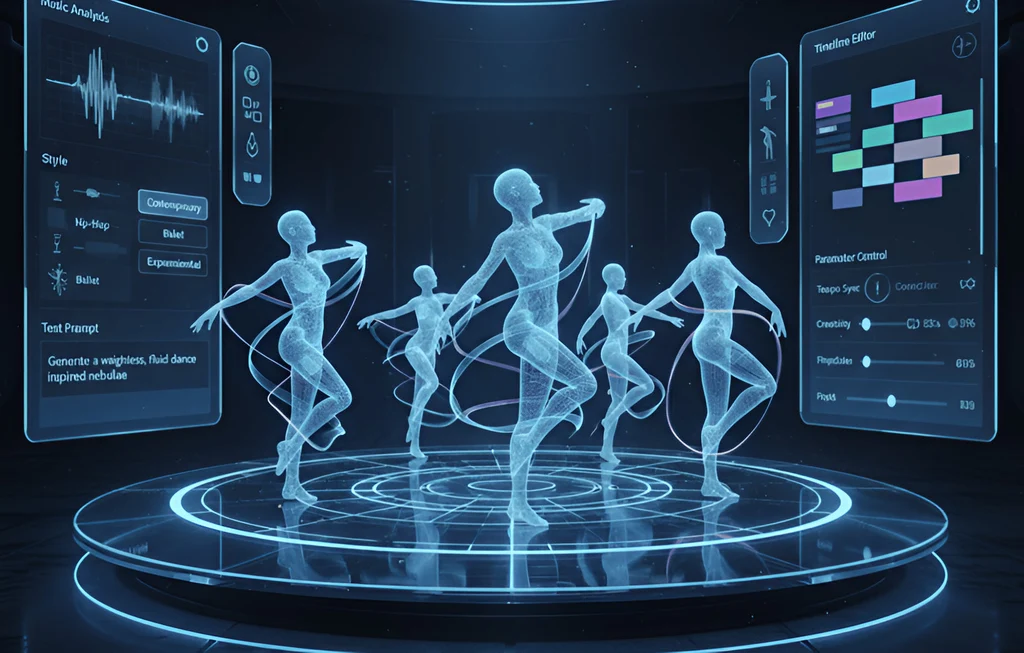
The first tool is designed to add movement to a still image. Instead of manually creating animation frame by frame, users can upload or select a suitable photo, choose music and a dance motion, and let the AI create a dancing video. The official tool also provides guidance about using a clear, front-facing, full-body image for better results.
The second tool focuses on AI-powered image creation. Users can enter a text description to create an image or upload an image and describe the changes they want. They can also choose settings such as visual style, aspect ratio, number of images, and unwanted elements to exclude. This gives users more control over the final result without requiring traditional design experience.
Review of the AI Dance Generator
The idea behind an AI dance generator is simple but interesting: take a still photo and use artificial intelligence to create the appearance of natural dance movement. This can be useful for entertainment, social media content, memes, and creative experiments.
The tool works by asking the user to provide or select a photo and then choose music and a dance sequence. The AI processes these inputs and generates an animated dancing result. According to the tool’s guidance, a clear image with a visible face and suitable full-body position can help produce a better animation.
Easy for Beginners
One of the strongest points of this tool is its simple workflow. Traditional animation can be difficult because users may need to understand timelines, motion design, keyframes, and video editing. Here, the process is much more direct.
In general, the workflow is:
- Upload or select a suitable photo.
- Choose background music.
- Select a dance motion sequence.
- Generate the dancing video.
This approach makes the tool accessible to people who have little or no experience with animation software. Instead of spending hours learning complicated controls, users can focus on choosing the image and the type of result they want.
A Fun Way to Reuse Photos
Many people have old portraits, character images, illustrations, or other pictures that remain static in their galleries. Turning one of these images into a dancing video can give it a completely different purpose.
For example, content creators can experiment with entertaining social posts. Friends can create humorous clips from suitable photos. Digital artists can explore how their characters might look with animated movement. The tool can also be useful when someone wants a quick creative experiment without recording a real video.
The quality of any AI-generated animation can depend on the source image and the selected motion. That is why it is helpful to follow the platform’s photo recommendations, especially when trying to achieve a cleaner and more believable result.
Good for Short-Form Content
Short videos continue to be an important part of online content creation. A static image may not always attract as much attention as a moving visual, especially on platforms built around video and quick scrolling.
A dancing animation can add energy to an otherwise ordinary image. Creators can use the result as part of a fun post, a meme, or a short creative project. The tool is especially appealing because it removes much of the technical work normally connected with animation.
However, users should always make sure they have permission to use the photos they upload, particularly when the image belongs to another person or includes protected content.
Review of the AI Image Generator
The second tool in this review offers a different type of creative experience. Instead of adding motion to an existing photo, the AI image generator helps users create visuals from text descriptions or transform an uploaded image.
The basic process is easy to understand. Users first enter a prompt or upload an image. Next, they choose the generation settings, such as style, aspect ratio, number of outputs, and other preferences. Finally, they start the generation process and wait for the result.
Turning Ideas Into Images
One of the biggest benefits of AI image creation is that users do not need to know how to draw. Someone may have a clear idea in their mind but lack the skills to create it with traditional software.
For example, a user could describe a futuristic city, a fantasy character, a product scene, or a creative illustration. A detailed prompt can help the AI understand important elements such as the subject, atmosphere, lighting, background, and overall visual style.
The official guidance recommends making prompts clear and descriptive. Adding useful details can give the AI a better understanding of the desired result.
Multiple Styles and Customization Options
A useful image generator should offer more than a single type of output. Different projects need different visual styles. A social media post may need something colorful and eye-catching, while a business project may require a more realistic or professional-looking image.
The tool supports different visual approaches and lets users adjust generation settings. Users can choose styles and aspect ratios and can specify elements they do not want to appear in the image. The ability to create multiple versions can also be useful when comparing different interpretations of the same idea.
This flexibility can help creators experiment instead of accepting the first result. If one image does not match the original idea, the user can improve the prompt or change the settings and try again.
More Than Text-to-Image Creation
Another interesting part of modern AI image technology is image editing through instructions. Rather than starting with a blank idea every time, users can upload an existing picture and describe how they want it changed.
For instance, someone may want to adjust the overall style of a photo, create a different visual version, or experiment with a new outfit concept. This is where tools related to can become especially interesting. Instead of arranging a traditional photoshoot for every clothing idea, AI-powered image editing can help users visualize different looks and creative concepts from an existing image.
Of course, the final quality depends on factors such as the original image, the clarity of the editing instructions, and the complexity of the requested changes. Simple and well-defined requests generally make it easier to evaluate whether the generated result matches the intended idea.
Useful Applications for Different Users
One reason these two tools work well together is that they support different stages of visual creativity.
For Social Media Creators
Social media creators constantly need new ideas. An AI-generated image can help create an original visual concept, while a dance animation can turn a suitable still image into a more dynamic clip.
A creator could first generate a character or artistic scene and then explore ways to animate suitable visuals. This creates more opportunities for experimentation without requiring advanced design or animation skills.
For Marketers
Marketers often need visuals for campaigns, presentations, concepts, and social posts. AI-generated images can help during the brainstorming stage by quickly turning written ideas into visual examples.
The official page also highlights potential uses in marketing, social media, e-commerce, education, art, and personal creative projects. For product or campaign work, AI can be useful for exploring concepts before investing time and money in a larger production process.
For Teachers and Students
Visual content can make learning materials more engaging. AI-generated illustrations may help explain an idea or create custom examples for presentations. Similarly, animated content can add an interesting element to a creative project when used appropriately.
The key benefit is accessibility. Users do not necessarily need professional illustration or animation experience to experiment with visual ideas.
For Everyday Fun
Not every AI project needs to be professional. Sometimes, people simply want to try something creative. Turning a suitable image into a dancing clip or generating an unusual picture from an imaginative prompt can be an enjoyable way to explore what AI can do.
Things to Keep in Mind
Although these tools are easy to use, users should have realistic expectations. AI generation is not always perfect. A result may sometimes contain details that do not fully match the original prompt. Complex requests may need several attempts and prompt improvements.
It is also important to use responsible practices. Only upload images that you have permission to use, respect other people’s privacy, and be careful when creating or sharing AI content involving real individuals.
For AI-generated images, copyright and usage rules can also depend on the platform’s terms and the content being created. The tool’s own FAQ advises users to follow the applicable terms and to be careful when generated content involves protected brands, celebrities, or artistic styles.
Final Verdict
After reviewing both tools, their biggest advantage is simplicity. The AI Dance Generator provides a quick way to transform a suitable still photo into a dancing video, while the AI Image Generator gives users a straightforward method for creating or modifying images from written ideas and visual inputs.
The dance tool is particularly appealing for people who want to create entertaining animations without learning traditional video editing or animation techniques. Meanwhile, the image tool offers useful creative flexibility through prompts, image input, style choices, generation settings, and options for refining the final output.
For beginners, these tools provide an easy starting point for experimenting with AI creativity. For experienced creators, they can also serve as a fast way to test ideas and produce visual concepts. The best results will usually come from using clear source images, writing detailed prompts, and experimenting with different settings when the first output is not exactly right.
Overall, if you are looking for simple online tools to explore image creation and photo animation, these two options are worth trying. One brings still images into motion, while the other helps turn imagination into visuals. Together, they show how AI is making creative content creation more accessible to people who may not have traditional design or animation skills.