Gaming has changed dramatically over the past few decades. What was once considered a simple form of entertainment has become a major part of modern digital culture. People now play games on consoles, computers, smartphones, and handheld devices, often connecting with players they may never meet in person.
The gaming experience is no longer limited to sitting alone in front of a screen. Players communicate, form communities, compete in tournaments, share strategies, watch live gameplay, and even build careers around their favorite games. As technology continues to develop in 2026, gaming is becoming more connected, accessible, and interactive than ever before.
Gaming Has Become a Social Experience
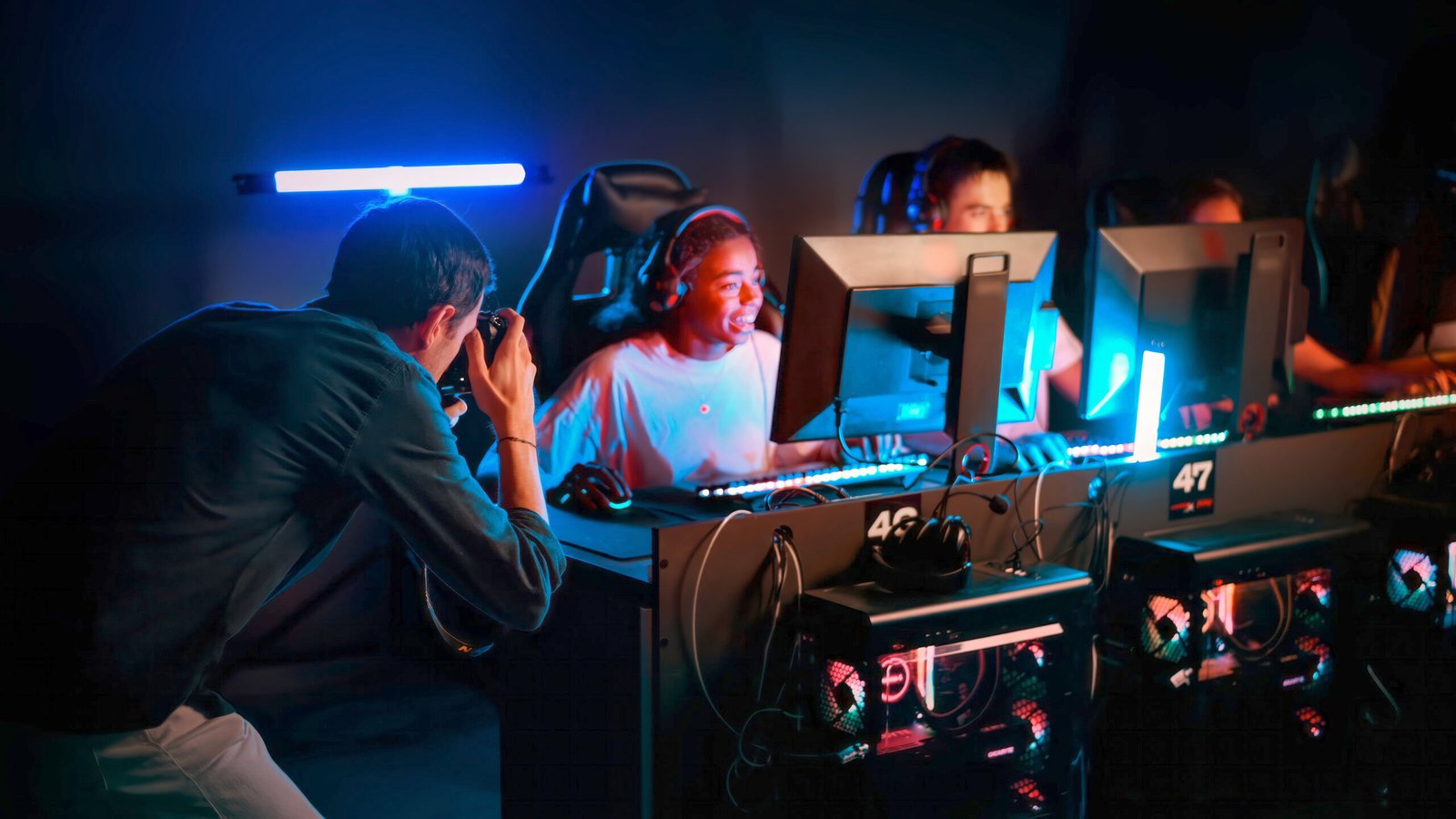
One of the biggest changes in gaming is the way people connect with each other. Multiplayer games allow friends and strangers to play together regardless of where they live. Voice chat, text messaging, online communities, and live streaming have made communication an important part of the gaming experience.
For many players, the social side of gaming can be just as important as the game itself. A player might join an online match after work, communicate with teammates, and spend hours building friendships through regular gameplay.
The growth of Online Gaming has also changed what players expect from modern games. They want smooth multiplayer systems, reliable servers, fair matchmaking, meaningful progression, and communities where they can interact with other players.
This shift has made gaming feel less like an isolated activity and more like a shared digital experience.
Console Gaming Continues to Evolve
Console gaming remains an important part of the industry, even as PC and mobile gaming continue to grow. Modern consoles offer powerful hardware, high-resolution graphics, fast loading times, online multiplayer, digital game libraries, and subscription-based services.
Players can move between single-player campaigns and competitive multiplayer experiences without leaving the same ecosystem. Digital downloads and cloud-based features have also made it easier to access games without relying entirely on physical discs.
For people interested in the changing console landscape, eurogamersonline.com console gaming provides another perspective on how console gaming continues to develop and what players can expect from the modern experience.
The role of consoles is also expanding beyond traditional gaming. They have become entertainment hubs where people can play games, communicate with friends, watch content, and access various digital services.
Handheld Gaming Is Becoming More Flexible
Handheld gaming has experienced another major transformation. Traditional handheld consoles once focused mainly on portability, but today's portable devices can offer experiences that are much closer to full-sized console and PC gaming.
Powerful handheld gaming devices allow players to continue their favorite games while traveling, relaxing at home, or taking a break from a desktop setup. Improvements in battery technology, displays, storage, wireless connectivity, and processing power have helped make portable gaming more practical.
Interest in portable gaming has also created space for specialized gaming communities and resources. For readers exploring this area, theportablegamer com represents the broader interest in gaming experiences designed for players who want flexibility without giving up quality.
The appeal is simple: players increasingly want the freedom to decide where and when they play.
Competition Has Become More Serious
Gaming has also changed the meaning of competition. Competitive gaming is no longer limited to local multiplayer matches between friends. Players can compete against opponents from different countries, participate in organized tournaments, and develop skills that require serious dedication.
Ranked matchmaking has become a standard feature in many multiplayer games. Instead of simply winning or losing, players can track their progress through rankings, ratings, divisions, and seasonal achievements.
This creates a strong motivation to improve. Players study maps, learn game mechanics, analyze opponents, practice specific techniques, and communicate more effectively with teammates.
The competitive side of gaming has also influenced game design. Developers increasingly focus on balancing characters, weapons, maps, and abilities so that competition remains challenging without becoming unfair.
Gaming Communities Influence What Players Want
Gaming communities now have a significant influence on the direction of games. Players discuss updates, share feedback, create guides, produce videos, and discuss upcoming releases across online communities.
A successful game can develop a dedicated community that remains active for years. These communities can introduce new players to games and help experienced players discover strategies they may not have considered.
At the same time, players have become more vocal about issues such as excessive monetization, poor performance, unfair mechanics, and incomplete releases. Developers have to pay attention because player expectations can influence a game's reputation very quickly.
This relationship between developers and players has made gaming more interactive. Games are increasingly treated as evolving products rather than experiences that are finished once they reach store shelves.
Casual Gaming Is More Important Than Ever
Gaming is not only about major releases and competitive titles. Casual gaming continues to attract people who may not consider themselves traditional gamers.
Simple games can be played during short breaks, while commuting, or when someone wants a relaxing activity. Puzzle games are particularly effective because they offer quick challenges without requiring long sessions.
For example, a simple Puzzle Game can provide an enjoyable mental challenge while still being easy to understand. This type of gaming demonstrates how the industry has expanded beyond dedicated gaming audiences.
The modern player does not necessarily need expensive hardware or hours of free time. Sometimes, a few minutes with a well-designed game can be enough.
Streaming Has Changed How We Experience Games
Another major development is the rise of gaming content. People no longer have to purchase and play a game themselves to become part of its community. They can watch live streams, tutorials, reviews, competitions, and gameplay videos.
Streaming has created a new form of entertainment around games. Viewers watch skilled players to learn techniques, follow personalities they enjoy, or simply experience games socially.
This has also created opportunities for content creators. Some gamers now build audiences by producing gameplay videos, guides, reviews, commentary, and live streams.
As a result, gaming has expanded from an activity that people participate in to a form of content that millions of people watch.
Technology Is Making Games More Immersive
Advances in hardware and software continue to change the way games feel. Faster processors and graphics technology allow developers to create detailed environments, realistic lighting, complex characters, and larger virtual worlds.
Artificial intelligence is also becoming increasingly important in game development. AI can help developers create more responsive non-player characters, improve testing, personalize experiences, and support new approaches to game design.
Cloud technology is another area receiving attention. While local hardware remains important, cloud-based gaming can potentially make high-quality experiences accessible on a wider range of devices.
Virtual reality and mixed reality are also exploring new ways for players to interact with digital environments. These technologies are still developing, but they demonstrate that the definition of gaming continues to expand.
The Future of Gaming Will Be More Connected
The future of gaming is likely to focus heavily on connection, flexibility, and personalization. Players increasingly expect their games to fit into their lifestyles rather than requiring them to build their schedules around gaming.
Cross-platform play is helping remove barriers between different gaming communities. Players using different devices can increasingly compete and cooperate in the same digital spaces.
Progression systems that move between devices can also make gaming more convenient. A player might begin a session on a console, continue on a computer, and later play on a portable device.
These changes are creating a gaming environment where the device matters less than the experience.
Gaming Is More Than Entertainment
Gaming has become a powerful way for people to play, communicate, compete, learn, and create. The industry continues to evolve because players themselves are changing. They want more freedom, better connections, stronger communities, and experiences that feel worth their time.
From competitive multiplayer matches to relaxing puzzle games, modern gaming offers something for almost every type of player. Console gaming continues to develop, portable devices are becoming more capable, and online communities are turning individual games into long-lasting social experiences.
As technology advances, the most important change may not be better graphics or faster hardware. It may be the growing ability of games to bring people together. Gaming is becoming less about where someone plays and more about who they play with, how they participate, and what experiences they create along the way.