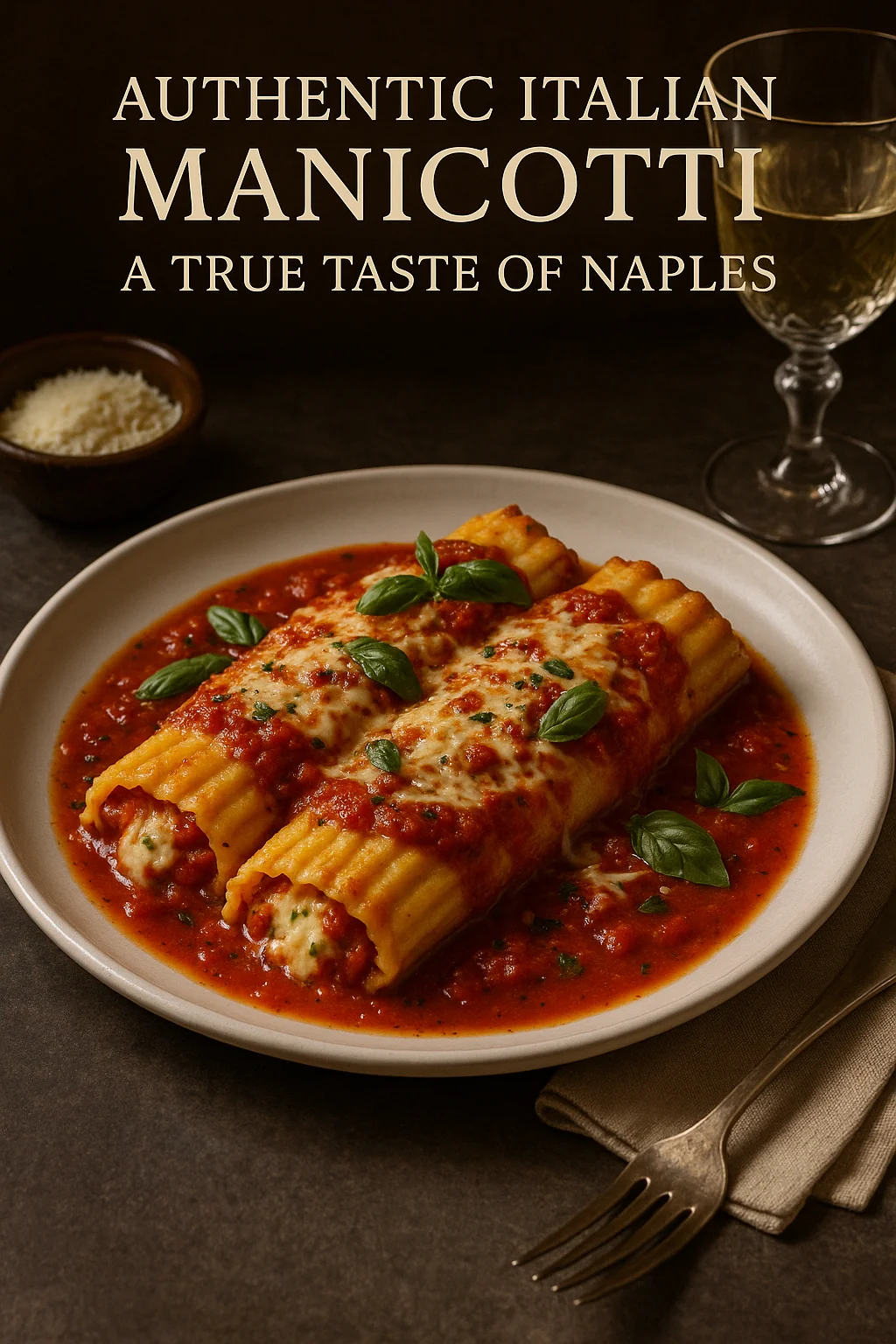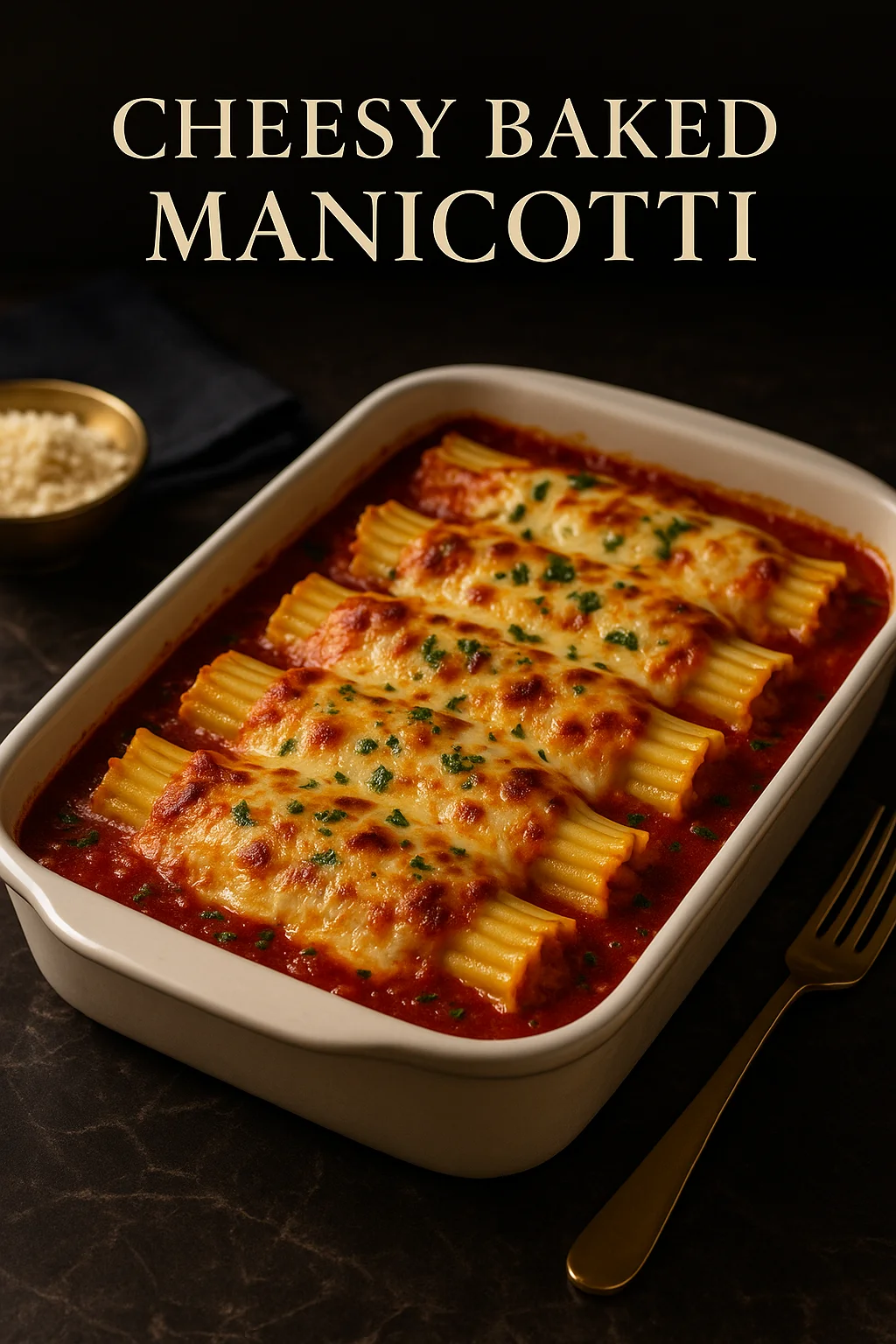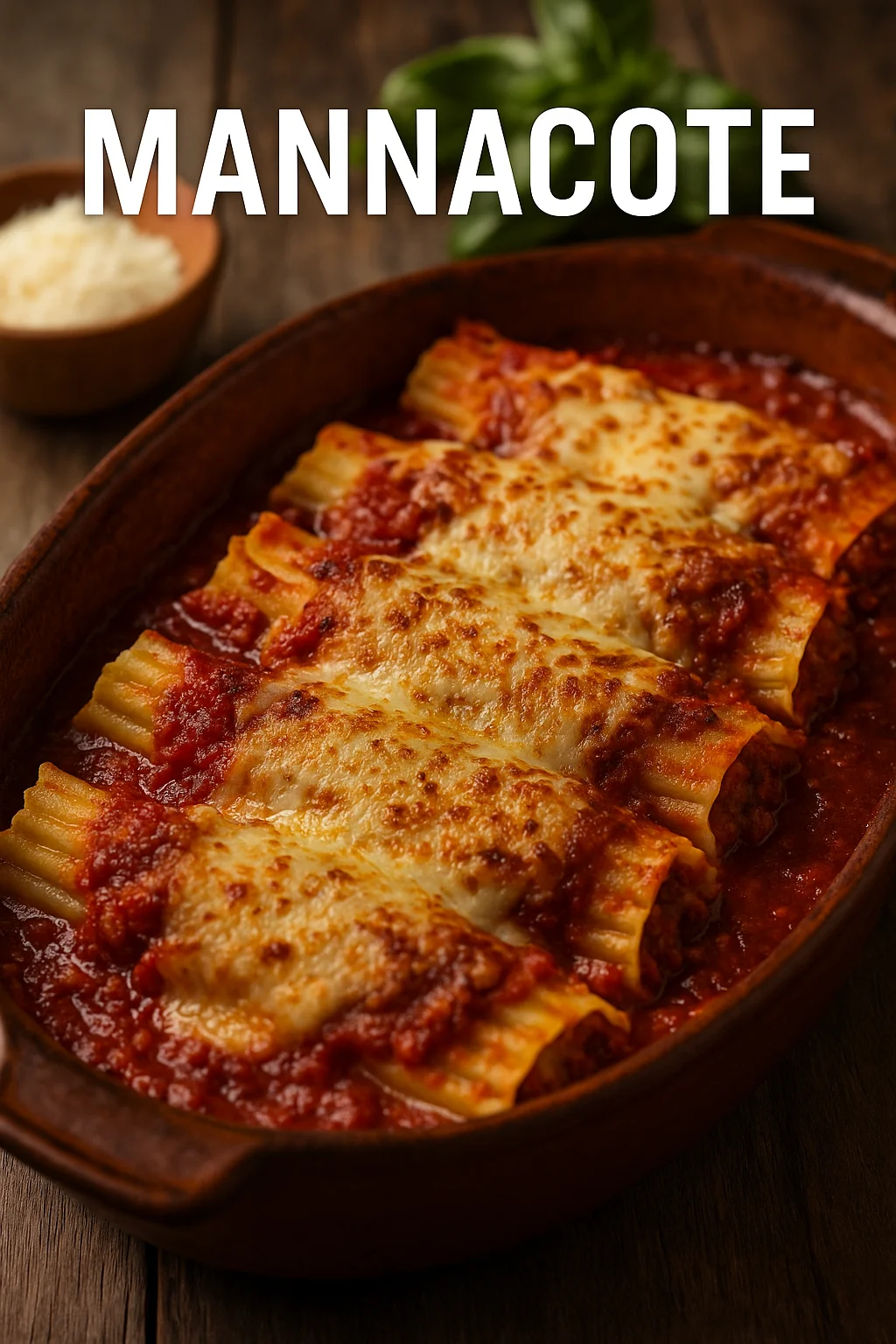
Mannacote brings together tender filled pasta, seasoned ricotta, tomato sauce, and a measured layer of melted cheese. Its appeal lies in balance: the pasta should remain structured, the filling should be creamy without turning loose, and the sauce should protect every shell as it finishes cooking in the oven.
This recipe focuses on those details. The pasta is cooked only until flexible, the ricotta is checked for excess moisture, and the assembled dish is covered during the first stage of baking. The result is a composed baked pasta that cuts cleanly while retaining a soft, generous center.
The method also accommodates advance preparation, freezing, reheating, and several carefully considered substitutions.
Recipe Details
- Servings: 6 to 7
- Yield: Approximately 14 filled pasta shells
- Preparation time: 30 minutes
- Baking time: 40 to 45 minutes
- Resting time: 10 minutes
- Oven temperature: 375°F (190°C)
- Recommended dish: 9 × 13-inch baking dish
Ingredients
For the Pasta
- 1 package dried manicotti pasta shells, approximately 8 ounces or 14 shells
- Salt for the cooking water
For the Ricotta Filling
- 15 ounces whole-milk ricotta
- 1½ cups shredded low-moisture mozzarella
- ½ cup finely grated Parmesan
- 1 large egg
- 2 tablespoons finely chopped fresh parsley
- 1 tablespoon finely chopped fresh basil, or 1 teaspoon dried basil
- 1 small garlic clove, finely grated
- ½ teaspoon fine salt
- ¼ teaspoon freshly ground black pepper
- A small pinch of ground nutmeg, optional
For the Sauce and Topping
- 3½ cups marinara sauce, approximately 28 ounces
- ½ cup shredded low-moisture mozzarella
- ¼ cup finely grated Parmesan
- Fresh parsley or basil for serving, optional
The Elements of a Well-Made Mannacote
A baked pasta of this kind depends less on complicated technique than on the condition of its principal ingredients.
Pasta with Enough Structure
The pasta shells will continue cooking after they are filled and placed in the oven. Boiling them until completely tender at the beginning leaves them vulnerable to tearing and may produce an overly soft finished dish.
They should be flexible enough to fill but still firm at the center.
A Stable Ricotta Filling
A well-prepared ricotta filling should appear thick and spoonable. If visible liquid has collected in the container, drain the cheese in a fine-mesh strainer for 20 to 30 minutes before preparing the filling.
This brief step helps the filling retain its shape and prevents excess moisture from collecting around the pasta.
Balanced Cheese
Low-moisture mozzarella melts evenly and contributes body without releasing as much liquid as fresh mozzarella. Parmesan provides seasoning and a more concentrated savory character.
The cheeses should enrich the filling without overwhelming the ricotta or forming an excessively heavy topping.
Sufficient Sauce
The marinara is not simply a finishing layer. It supplies the moisture needed for the pasta to become tender in the oven.
Sauce should be placed beneath the shells and spread across their entire surface. Exposed edges, particularly the open ends, can become firm and dry during baking.
How to Prepare Mannacote
1. Preheat the Oven
Preheat the oven to 375°F (190°C).
Spread approximately 1 cup of marinara across the bottom of a 9 × 13-inch baking dish. Carry the sauce into the corners and along the edges so that none of the pasta will rest against a dry surface.
2. Partially Cook the Pasta
Bring a large pot of generously salted water to a boil. Add the shells carefully and stir gently during the first minute to keep them separated.
Cook until the pasta is flexible but still firm, usually two to three minutes less than the full cooking time printed on the package.
Remove the shells carefully and arrange them in a single layer on a clean tray or sheet of parchment paper. Allow them to cool until they can be handled comfortably.
Do not pile the warm pasta into a bowl. The shells may stick together and tear when separated.
If the package contains extra shells, cook one or two more than required. They can replace any that split during preparation.
3. Prepare the Filling
Place the ricotta in a medium mixing bowl. Add:
- 1½ cups mozzarella
- ½ cup Parmesan
- Egg
- Parsley
- Basil
- Garlic
- Salt
- Black pepper
- Nutmeg, if using
Fold the ingredients together just until evenly combined. Vigorous mixing is unnecessary and may make the filling denser than intended.
If you want to check the seasoning, taste the cheese-and-herb mixture before adding the raw egg.
4. Fill the Shells
Transfer the filling to a piping bag fitted with a wide opening. A sturdy food-storage bag with one corner trimmed away also works well.
Pipe the filling into one end of a shell, then turn it around and complete the filling from the opposite end. Working from both directions distributes the ricotta evenly and places less pressure on the pasta.
The shells should feel full but not stretched. Forcing in too much filling can split them along their ridged surface.
A small spoon can be used when a piping bag is unavailable, although the process will be slower.
5. Assemble the Baking Dish
Arrange the filled shells in a single layer over the marinara. Leave a small space between them rather than pressing them tightly together.
Spoon the remaining sauce over the pasta. Pay particular attention to the open ends and any exposed edges.
Finish with the remaining ½ cup mozzarella and ¼ cup Parmesan.
6. Cover and Bake
Cover the dish tightly with aluminum foil. If the foil is likely to touch the cheese, lightly grease its underside before placing it over the pan.
Bake for 30 minutes.
The covered environment retains steam, protects the pasta, and allows the center of each filled shell to heat gradually.
7. Finish the Dish Uncovered
Remove the foil and continue baking for 10 to 15 minutes. The Mannacote is ready when the sauce is bubbling around the edges and the cheese has melted evenly across the surface.
For a lightly browned finish, place the dish under the broiler for a brief interval. Remain beside the oven and watch it closely, as the cheese can darken quickly.
8. Rest Before Serving
Allow the dish to rest for 10 minutes after it leaves the oven.
The cheese filling is very soft while it is at its hottest. Resting gives it time to settle, allowing each shell to be lifted from the dish without losing its shape.
Serve with fresh herbs, a modest amount of grated Parmesan, a crisp green salad, or simply prepared vegetables.
Baking Time and Temperature
At 375°F, freshly assembled Mannacote generally requires:
- 30 minutes covered
- 10 to 15 minutes uncovered
- 10 minutes of resting before serving
It can also be baked at 350°F. At the lower temperature, allow approximately 35 to 40 minutes covered, followed by about 10 minutes uncovered.
A dish prepared in advance and transferred directly from the refrigerator will take longer. Add approximately 10 to 15 minutes to the covered stage and check that the center is thoroughly heated before removing the foil.
Treat these times as a dependable range rather than an inflexible deadline. The depth of the baking dish, starting temperature of the ingredients, and accuracy of the oven can all affect the final cooking time.
How to Keep the Pasta Tender
Dry or firm edges usually indicate that the shells were exposed during baking or did not have enough sauce surrounding them.
Several details help preserve the intended texture:
- Cook the shells only until flexible.
- Place a complete layer of sauce beneath the pasta.
- Cover every filled shell with marinara.
- Make sure the open ends are not left exposed.
- Seal the baking dish securely during the first stage.
- Remove the dish once the sauce is bubbling and the center is hot.
- Keep the uncovered baking stage relatively brief.
Pouring water indiscriminately into the dish is not an appropriate correction when using partially cooked shells. Too much additional liquid can weaken the marinara and leave the completed dish watery.
Extra liquid should be used only when required by the instructions for a specific oven-ready pasta.
Avoiding a Watery Filling
Ricotta fillings can become loose when several moisture-rich ingredients are combined without preparation.
Common sources of excess liquid include:
- Ricotta containing visible whey
- Fresh mozzarella that has not been drained
- Frozen spinach that has not been squeezed dry
- Raw mushrooms or zucchini
- Thin or diluted tomato sauce
Drain the ricotta when necessary and use low-moisture mozzarella for the most consistent result.
Vegetables should generally be cooked before being folded into the filling. Cooking allows them to release much of their moisture before the Mannacote enters the oven.
If using frozen spinach, thaw it completely and squeeze it firmly in a clean kitchen towel until very little moisture remains.
Preparing Mannacote in Advance
The entire dish can be assembled up to one day before baking.
Complete the filling and assembly, cover the baking dish tightly, and refrigerate it promptly. Keeping the pasta fully covered with sauce is especially important because it will continue absorbing moisture while refrigerated.
When ready to cook, remove the dish from the refrigerator while the oven preheats. Bake it covered at 375°F, allowing approximately 10 to 15 additional minutes before uncovering it.
If the baking dish is glass, check the manufacturer’s guidance before moving it from a cold refrigerator into a hot oven. Sudden temperature changes can damage some glass bakeware.
Freezing Before Baking
For the most reliable texture, freeze Mannacote after assembly but before baking.
Assemble it in a freezer-safe container, including the sauce and cheese topping. Cover the surface tightly, then add an airtight lid or a second protective layer.
For the best quality, use the frozen dish within two to three months.
Thaw it overnight in the refrigerator before baking. Once thawed, follow the make-ahead directions and allow additional covered cooking time.
Baking the dish after refrigerator thawing provides more even heating than attempting to cook a deeply frozen center while preventing the surface from drying.
Freezing After Baking
Cooked Mannacote can also be frozen, particularly when divided into individual portions.
Allow the dish to cool briefly, then transfer the portions to freezer-safe containers. Include enough marinara to cover the exposed pasta, as the sauce will help protect its texture during freezing and reheating.
Thaw the portions in the refrigerator before reheating. The ricotta may become slightly softer after freezing, but careful storage and gentle reheating will limit the change.
Storing Leftovers
Place leftovers in shallow, covered containers and refrigerate them promptly. Properly refrigerated Mannacote should be used within three to four days.
Keep each portion with some of its sauce. Filled pasta stored without sauce is more likely to become dry around the edges.
Avoid leaving the baking dish at room temperature for an extended period before refrigeration.
Reheating Mannacote
Reheating in the Oven
Place the required portions in a small baking dish. Add a spoonful of marinara if the surface appears dry.
Cover the dish with foil and reheat at 350°F for approximately 20 to 30 minutes. A large portion will need more time than one or two individual shells.
Remove the foil only during the final few minutes if the cheese needs refreshing.
Reheating in the Microwave
Place one or two shells in a microwave-safe dish with a small amount of additional sauce. Cover loosely to retain moisture.
Heat in short intervals, repositioning the pasta between intervals to encourage even heating. The center of reheated leftovers should reach 165°F (74°C).
Thoughtful Substitutions
Spinach and Ricotta
Add approximately 5 ounces of thawed frozen spinach to the filling. Squeeze it thoroughly before use. Spinach that retains water can loosen the ricotta and dilute the flavor.
Meat Sauce
Ground beef or Italian sausage can be browned, drained, and added to the marinara.
Using meat in the sauce preserves the smooth consistency of the ricotta filling and makes the shells easier to pipe.
Meat and Ricotta Filling
Finely crumbled cooked meat may be folded directly into the cheese mixture. Let it cool first and avoid adding excess cooking fat.
A coarse filling may require a wider opening in the piping bag.
Cottage Cheese
Well-drained cottage cheese can replace ricotta, although it produces a lighter and less uniform texture. Blending it briefly will create a smoother consistency.
Fresh Mozzarella
Fresh mozzarella has a softer, milkier character but contains more moisture. Drain it thoroughly, pat it dry, and cut it into small pieces before adding it.
Egg-Free Filling
The egg contributes structure but can be omitted. The filling will remain softer after baking, making adequate resting time more important.
Fresh Herbs
Parsley and basil can be adjusted according to availability. If replacing fresh herbs with dried ones, use a smaller quantity because their flavor is more concentrated.
Gluten-Free Pasta
Gluten-free shells vary considerably in structure and cooking behavior. Follow the package directions and handle them carefully, as some varieties become fragile after boiling.
Common Problems and Their Causes
The Pasta Tears During Filling
The shells may have been cooked too long, cooled in a pile, or filled with too much pressure.
Cook them only until flexible, cool them separately, and pipe from both ends.
The Exposed Edges Become Hard
The shells were not fully covered with sauce or the baking dish was not sealed securely.
Add sauce to every exposed surface and keep the foil tight during the first stage of baking.
The Filling Spreads When Served
The ricotta may have contained excess liquid, or the dish may have been served immediately after leaving the oven.
Drain wet ricotta and allow the completed dish to rest for 10 minutes.
Water Collects in the Baking Dish
Fresh mozzarella, undrained vegetables, or loose ricotta may have released liquid during cooking.
Prepare moisture-rich ingredients before adding them to the filling.
The Cheese Becomes Tough
The dish may have spent too long uncovered or under the broiler.
Keep most of the baking time covered and use the broiler only for a brief finishing stage.
The Center Remains Cool
A refrigerated dish may not have received enough additional baking time.
Return the foil, continue heating, and check the center again before serving.
Frequently Asked Questions
What is Mannacote made with?
This Mannacote recipe uses pasta shells filled with ricotta, mozzarella, Parmesan, egg, herbs, and garlic. The filled pasta is baked in marinara and finished with additional cheese.
Does the pasta need to be boiled first?
Regular dried shells should be partially boiled before filling. Cook them only until flexible and still firm.
Products specifically labeled oven-ready or no-boil should be prepared according to their package instructions.
What is the appropriate oven temperature?
Bake the dish at 375°F for approximately 40 to 45 minutes, keeping it covered during the first 30 minutes.
A 350°F oven can also be used, but the covered stage will take slightly longer.
Why should the baking dish be covered?
Covering the dish retains moisture and gives the pasta and filling time to heat without drying the surface. The foil is removed near the end so that the cheese can melt and develop a light finish.
Can Mannacote be prepared the night before?
Yes. Assemble the dish, cover it securely, and refrigerate it for up to one day. Add approximately 10 to 15 minutes to the covered baking time.
Can it be frozen?
Mannacote can be frozen before or after baking. Freezing it after assembly but before baking generally preserves the pasta’s texture more effectively.
How long can leftovers be refrigerated?
Store covered leftovers promptly and use them within three to four days.
How can the shells be filled without breaking them?
Keep the pasta slightly firm and use a piping bag with a wide opening. Filling each tube from both ends requires less pressure and produces a more even center.
A Balanced Finish
Mannacote succeeds through proportion and careful handling rather than unnecessary complexity. The shells need enough structure to hold the filling, the ricotta must be properly drained, and the marinara should surround the pasta throughout baking.
A tightly covered first stage keeps the dish tender. A short uncovered finish melts the cheese without hardening it, while a final rest gives the filling time to settle.